
There’s Never a Bad Time to Do a Good Thing
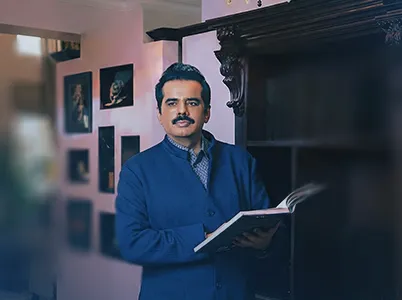
Reflections on Ethical Leadership by Dr. Sunjoy Hans
In a world driven by speed, competition, and constant pressure to perform, leadership is often measured by numbers—growth charts, profit margins, and market dominance. But I have always believed that true leadership is measured by conscience. The decisions we make when no one is watching define not just our organizations, but our character.
The idea that there’s never a bad time to do a good thing is not a slogan. It is a principle I have tried to live by throughout my journey.
Ethics Is Not a Compromise—It’s a Compass
Many leaders assume that ethics slow down progress. My experience has shown the opposite. Ethical leadership provides clarity in moments of uncertainty. When values guide decisions, confusion fades, trust grows, and long-term sustainability becomes possible.
Doing the right thing may not always be the easiest option. It may cost time, resources, or even short-term gains. But in the long run, ethical choices always create stronger institutions and more resilient teams.
Leadership Begins With Responsibility
Leadership is not about authority—it is about responsibility. Responsibility towards employees, customers, society, and the larger ecosystem we operate in. Every decision sends a signal. When leaders choose integrity over convenience, it empowers everyone within the organization to act with confidence and honesty.
I firmly believe that leaders shape culture not through policies, but through daily actions. Consistency between words and actions is what builds credibility.
Doing Good Is Always Relevant
One of the most common justifications for unethical behavior is timing—this isn’t the right moment, we will fix it later, or this is how the industry works. These excuses are dangerous. There is no perfect time to act ethically because ethics is not situational.
Whether the organization is thriving or struggling, expanding or restructuring, the commitment to doing good must remain constant. When values shift based on circumstances, trust erodes quickly.
The Human Side of Leadership
Behind every business decision are human lives—employees with families, customers with expectations, communities with hopes. Ethical leadership recognizes this human dimension. Success that ignores human impact is incomplete.
Compassion, transparency, and fairness are not weaknesses in leadership; they are strengths. They create loyalty, encourage innovation, and foster environments where people feel respected and motivated.
Legacy Over Short-Term Success
Every leader leaves behind a legacy—intentionally or otherwise. The question is not about whether we will be remembered; it is about what we will be remembered for. Financial success may fade, but values leave a lasting imprint.
I believe leadership should aim beyond quarterly results. It should focus on building institutions that future generations can trust and be proud of.
Final Thought
Doing good does not require perfect conditions. It requires conviction. Ethical leadership is a daily choice—sometimes quiet, sometimes difficult, but always meaningful.
And that is why I say, with absolute certainty:
- There’s never a bad time to do a good thing.